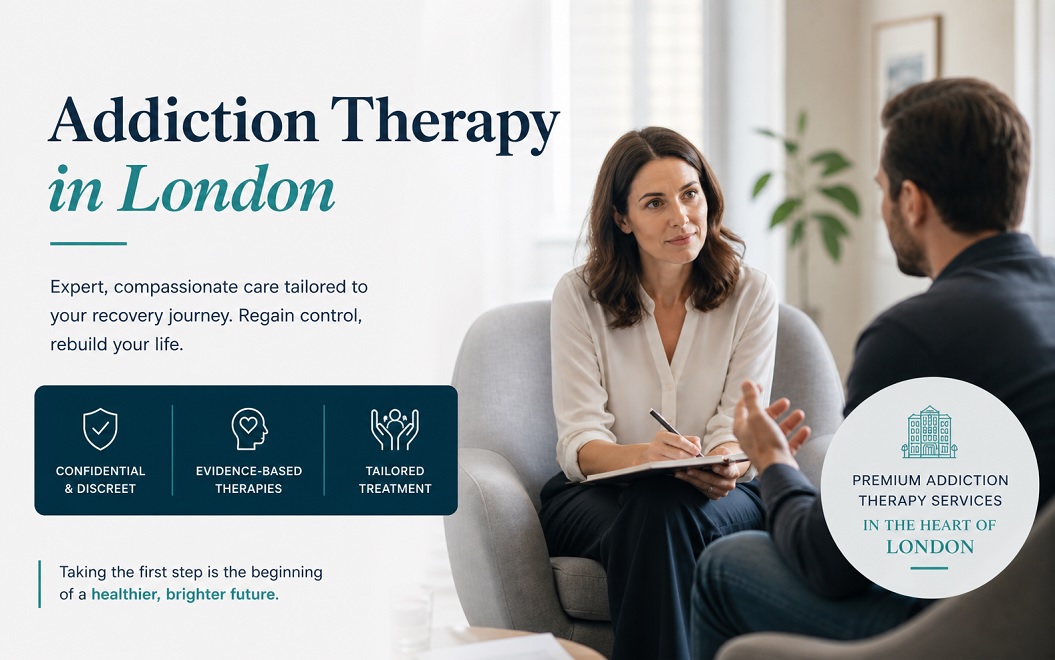
Understanding the Growing Need for Professional Addiction Support
Addiction is one of the most complex and misunderstood health challenges of our time, affecting individuals from every walk of life regardless of age, background, or profession. The ripple effects of addiction extend far beyond the individual, touching families, workplaces, and entire communities in ways that are often invisible until a crisis point is reached. Seeking Addiction Therapy in London has become an increasingly vital step for thousands of people who recognise they need structured, professional support to reclaim control of their lives. London, as one of the world’s most dynamic and high-pressure cities, presents a unique environment where stress, social pressures, and accessibility to substances can combine to create vulnerable conditions for dependency to take hold. Understanding what addiction therapy involves and why professional guidance matters are the first step toward meaningful and lasting recovery.
What Addiction Therapy Actually Involves
Addiction therapy is not a single treatment but a comprehensive, multi-layered approach that addresses the psychological, emotional, and sometimes physical dimensions of dependency. At its core, therapy works to uncover the underlying causes of addictive behaviour — whether rooted in trauma, anxiety, depression, grief, or deeply ingrained thought patterns that have developed over many years. A qualified addiction specialist will conduct a thorough assessment to understand the full picture of a person’s history, current circumstances, and specific relationship with substances or behaviours. From there, a personalised treatment plan is created that may incorporate a range of therapeutic modalities including Cognitive Behavioural Therapy (CBT), Dialectical Behaviour Therapy (DBT), motivational interviewing, trauma-focused therapy, and mindfulness-based relapse prevention. The goal is never simply to remove the substance or behaviour from someone’s life — it is to rebuild the emotional and psychological foundations that allow a person to thrive without it.
The Role of Evidence-Based Therapies in Recovery
Evidence-based therapeutic approaches form the backbone of effective addiction treatment. CBT, perhaps the most widely recognised of these, helps individuals identify the distorted thinking patterns and emotional triggers that drive compulsive behaviour. By learning to challenge and reframe these patterns, clients develop practical coping strategies they can apply in real-world situations. DBT is particularly effective for individuals whose addiction is intertwined with emotional dysregulation or borderline personality traits, teaching skills in mindfulness, distress tolerance, and interpersonal effectiveness. Motivational interviewing takes a more collaborative, empathetic approach, helping clients explore their own ambivalence about change and strengthen their intrinsic motivation to pursue recovery. These therapies are not applied in isolation — skilled clinicians integrate multiple approaches in response to each client’s evolving needs throughout their recovery journey.
Why London Offers World-Class Addiction Treatment
London is home to some of the most experienced and highly credentialed addiction specialists in the world, offering access to cutting-edge therapeutic practices in both private and NHS settings. Areas like Harley Street have long been synonymous with premium private healthcare, attracting specialists who combine academic expertise with genuine clinical compassion. Addiction Therapy in London benefits from this concentration of expertise, meaning clients have access to consultants, psychotherapists, psychiatrists, and support networks that are difficult to find elsewhere. Private addiction clinics in the capital offer a level of discretion and personalised care that can be essential for professionals, executives, or public figures who need to manage their recovery alongside demanding careers and reputations. The city’s diversity also means therapists are available who understand specific cultural backgrounds, languages, and community pressures — a factor that significantly enhances the therapeutic relationship and outcomes.
Recognising When It’s Time to Seek Help
One of the greatest barriers to recovery is the difficulty many people face in recognising when their relationship with a substance or behaviour has crossed the line from habit into dependency. Common signs include an increasing tolerance requiring more of a substance to achieve the same effect, withdrawal symptoms when use is reduced or stopped, continued use despite clear negative consequences, and a growing preoccupation with obtaining and using the substance. Behavioural addictions — such as gambling, sex, or internet addiction — carry similar hallmarks, including loss of control, escalation, and withdrawal from relationships and responsibilities. Shame and denial are powerful forces that keep people locked in cycles of addiction, which is why a non-judgmental therapeutic environment is so crucial. Reaching out to a specialist early, before the dependency deepens, can dramatically improve prognosis and reduce the physical and emotional toll of recovery.
The Importance of Dual Diagnosis Treatment
Many individuals who struggle with addiction also live with an underlying mental health condition. Clinicians refer to this as dual diagnosis or co-occurring disorders. Anxiety, depression, PTSD, ADHD, and bipolar disorder rank among the most common conditions appearing alongside addiction. Treating only the substance use without addressing mental health invariably triggers relapse.
Integrated dual diagnosis treatment tackles both conditions simultaneously. It recognises that they intertwine deeply and reinforce each other in damaging ways. In London’s specialist addiction clinics, consultant psychiatrists combine medication management with psychotherapy where appropriate. Clinicians increasingly regard this integrated approach as essential — not just best practice — for achieving durable, long-term recovery in complex cases.
Personalised Care: Why One Size Never Fits All
Every person who walks through the door of an addiction clinic carries a unique story. The most effective treatment always reflects that individuality. Many factors shape what a therapeutic programme needs to look like. These include the type of addiction, duration and severity of use, co-existing health conditions, personal history, family dynamics, and lifestyle. Some clients benefit most from intensive one-to-one therapy.
Others thrive with the shared experience and accountability of group therapy. Addiction strains relationships. Family therapy helps loved ones understand dependency and learn to support recovery. It also teaches them how to avoid enabling harmful patterns. Aftercare planning plays an equally important role. This includes relapse prevention strategies, peer support groups, and ongoing check-ins. Together, these ensure clients consolidate the gains they make in therapy over time.
Overcoming Stigma and Taking the First Step
Stigma is one of the greatest obstacles standing between a person and the help they need. Society often judges addiction harshly. Many individuals also carry deep internal shame. But addiction is not a moral failing. It is not a reflection of weak character. It is a recognised medical condition with neurological underpinnings — and it responds to proper treatment. Addiction Therapy in London, delivered by compassionate specialists, creates a safe and confidential space. Clients can speak honestly here, free from fear of judgement. For many people, picking up the phone is the hardest step of the entire journey. Yet it is also the most courageous. Experienced therapists understand this deeply. They build trust and rapport that makes the therapeutic process feel not just possible, but genuinely transformative.
What to Expect from Your First Consultation
Walking into a first appointment can feel daunting. Knowing what to expect, however, makes it much easier. The initial consultation is primarily an assessment. It gives the clinician a chance to understand your situation in depth. It also gives you space to ask questions. You can gauge whether you feel comfortable with the specialist and their approach. Expect questions about your history with substances or behaviours. The clinician will also ask about your physical and mental health background, your living situation, and your treatment goals. There is no obligation to commit to any programme at this stage. The consultation is as much your decision as it is a clinical one. Most reputable London clinics offer flexible appointment times, including evenings and weekends, to suit busy work and family schedules.
Building a Life beyond Addiction
Here’s the paragraph rewritten with shorter sentences:
Recovery is not merely the absence of substance use. It is the active construction of a meaningful, connected life. Therapy provides the psychological tools and emotional resilience people need. These skills help clients navigate everyday challenges without reverting to old coping mechanisms. Many clients describe recovery as genuine self-discovery. They uncover strengths, values, and aspirations that addiction had buried over time. Rebuilding relationships, rediscovering passions, improving physical health, and reclaiming professional ambitions are all part of what recovery makes possible. Recovery rarely follows a straight path. Setbacks are a normal part of the process. But the right therapeutic support makes all the difference. Each challenge becomes an opportunity. With time and guidance, clients strengthen the foundations of lasting change.